Axum
Learn more about Axum including highlights, accommodation notes, and things to do.
Why travel with us
Tailored Ethiopia itineraries shaped around your interests and timeline.
Trusted local guidance that keeps the trip smooth, safe, and memorable.
A brand built on strong traveler reviews and repeat recommendations.
Axum
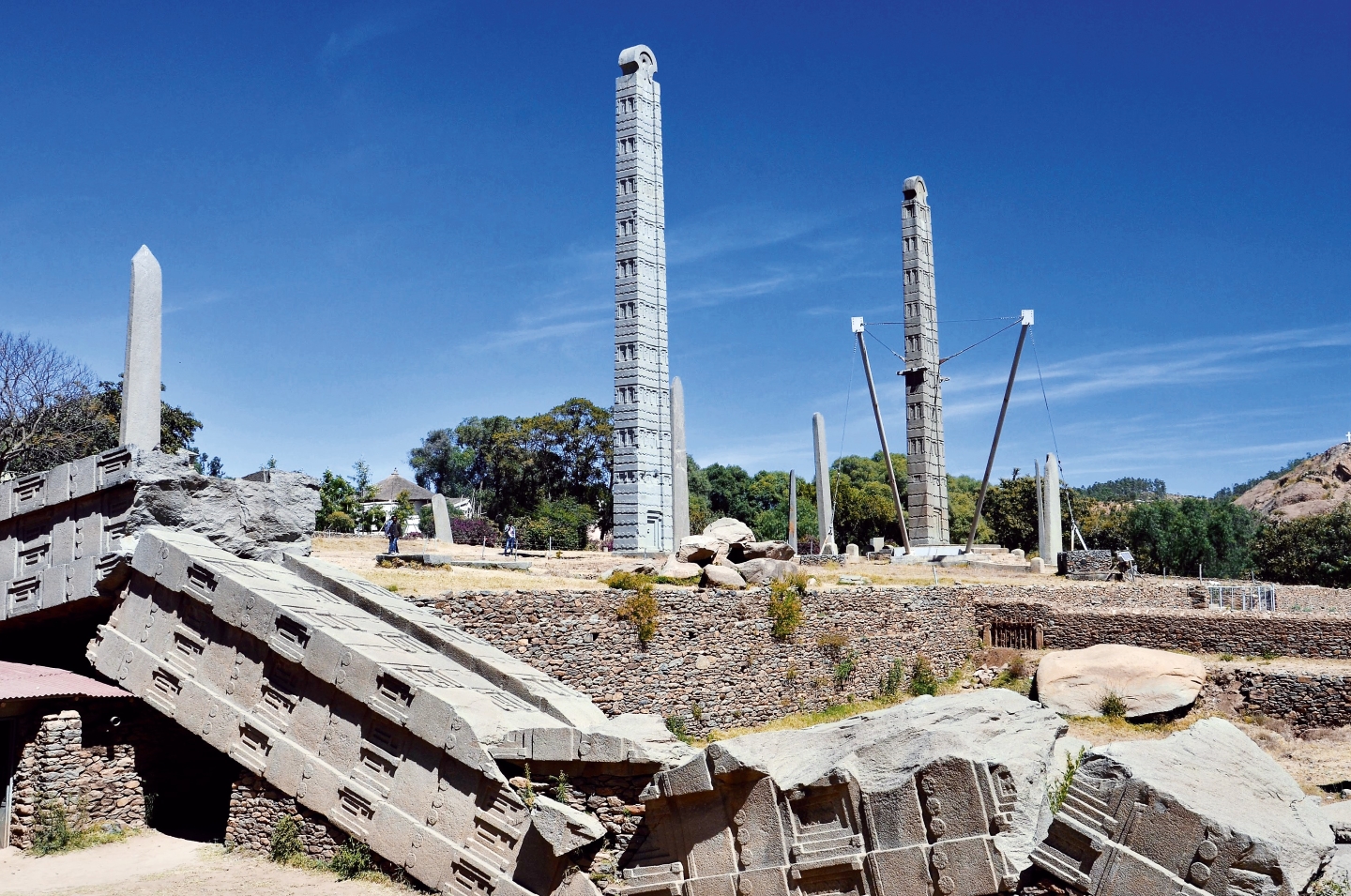
Aksum is one of the ancient cities in the world, sited on the Northern Ethiopia in Tigray Regional State. The old city of Aksum has been recorded by UNSCO as one of the world heritage site in 1980. It served as the capital of the Aksumite Kingdom, which was the dominant trade entity in the Horn of Africa for over a millennium prior to the rise of Islam, stretching from the Sudanese Nile across the Red Sea to Yemen. Steles, Old Palaces, mausoleums, ruined churches, erected stones, minted coins, and manuscripts witness the golden period of the Aksumite Empire. The importance of the city is much raised as it houses the most valuable and sacred relics of the tablet of Mosses or the arks of the covenant.
Things to do
Seasonal highlights
Aksum is an excellent place to celebrate Meskel (27 September except on leap years), a unique Ethiopian Christian festival commemorating the alleged 4th century discovery by Helen, the mother of Emperor Constantine, of the True Cross on which Jesus was crucified. The centerpiece of this colorful festival is the burning of a massive pyre in front of the central stelae and the Cathedral of Maryam Tsion. Other popular festivals are Timkat (January 19 except on leap years) and the day of Kidus Maryam (Saint Mary) on 1 December.
Where travelers can stay
Lots of hotels are dispersed with in Aksum, Yared Zema International Hotel, Sabean International Hotel, Obelisk Hotel, Brana Hotel, Consolar International Hotel, Yeha Hotel, Armah International Hotel, Atrons Fantasy Hotel and Spa, Ethiopis Hotel, Atse Kaleb Hotel, Nyala Hotel and others, most of them catering to the budget and midrange market.
Additional experiences
Aksum is a decent place to buy traditional cotton cloths, old coins, baskets, crosses, and other traditional handicrafts.